How to Budget for a Custom Home in San Diego, CA

A budget is a financial plan that outlines how much money you expect to spend and how you plan to allocate it across different expenses. It acts as a roadmap for managing costs, helping you decide in advance what you can afford and where your money should go.
Budgeting for a custom home in San Diego requires accounting for more than just construction costs. Land, design fees, permits, site work, utilities, and interior finishes all contribute to the total investment, and each can vary widely based on location and property conditions. A clear budget should also reflect the level of customization, since material selections, architectural complexity, and upgrades can significantly impact final costs. Establishing a realistic range early helps align design choices with financial expectations and keeps the project on track throughout planning and construction.
How Much Does a Custom Home Build Cost in San Diego, CA?

Custom home construction costs in San Diego typically range from about $400 to $1,000+ per square foot, depending on design level, location, and finish quality. Most straight forward custom homes start in the $400 to $600 per square foot range, mid-range builds often land between $500 and $700 per square foot, and luxury or highly complex homes can reach $700 to $1,000+ per square foot or more.
For total project cost, many homeowners see all-in budgets from roughly $800,000 to $3 million+, while larger coastal or estate-level homes can exceed that depending on land value and scope.
Several factors have the biggest impact on cost. Location of the lot is one of the largest drivers, with coastal and highly desirable areas increasing both land and construction expenses. Home size and layout complexity also matter, since multi-story designs, steep lots, or custom architectural features require more engineering and labor. Finish level plays a major role as well, with high-end materials, custom cabinetry, and premium fixtures significantly raising the budget. Additional costs come from site conditions such as grading, soil stability, utility access, and slope, which can add substantial preparation expenses before building even begins. Permit fees, design services, and energy efficiency upgrades also contribute to the final total.
How to Create a Budget to Build a Custom Home
Creating a custom home budget starts with estimating your total build size and multiplying it by a realistic cost per square foot. For example, if you are planning a 3,000 square foot home in San Diego and your target range is $450 to $700 per square foot, your construction budget alone could range from about $1.35 million to $2.1 million, before adding land, design, permits, and site work.
From there, the budget should be broken into clear categories so costs are easier to manage. Land acquisition is often the largest variable, followed by design and engineering fees, permits, site preparation, and utility connections. Interior finishes such as flooring, cabinetry, appliances, and fixtures can also shift totals significantly depending on quality level. A contingency reserve of around 10 to 20 percent is typically added to cover unforeseen conditions or design changes during construction.
Custom home builders do help with budgeting and are often essential in creating an accurate early estimate. Experienced builders can evaluate a property, assess site conditions, and provide realistic cost projections based on current labor and material pricing. They also help align the design with your budget, identify cost-saving alternatives, and prevent expensive changes later in the process, making the overall financial plan more reliable from the start.
That’s why we created the Buildable model and process, because most budget decisions are made far before the plans are permitted. They are made in the choices and complexity of the site and home design. You need a builder with you to help make the smartest choices for your home, and that’s the service Buildable provides.
Why Create a Budget for a Custom Home Build?
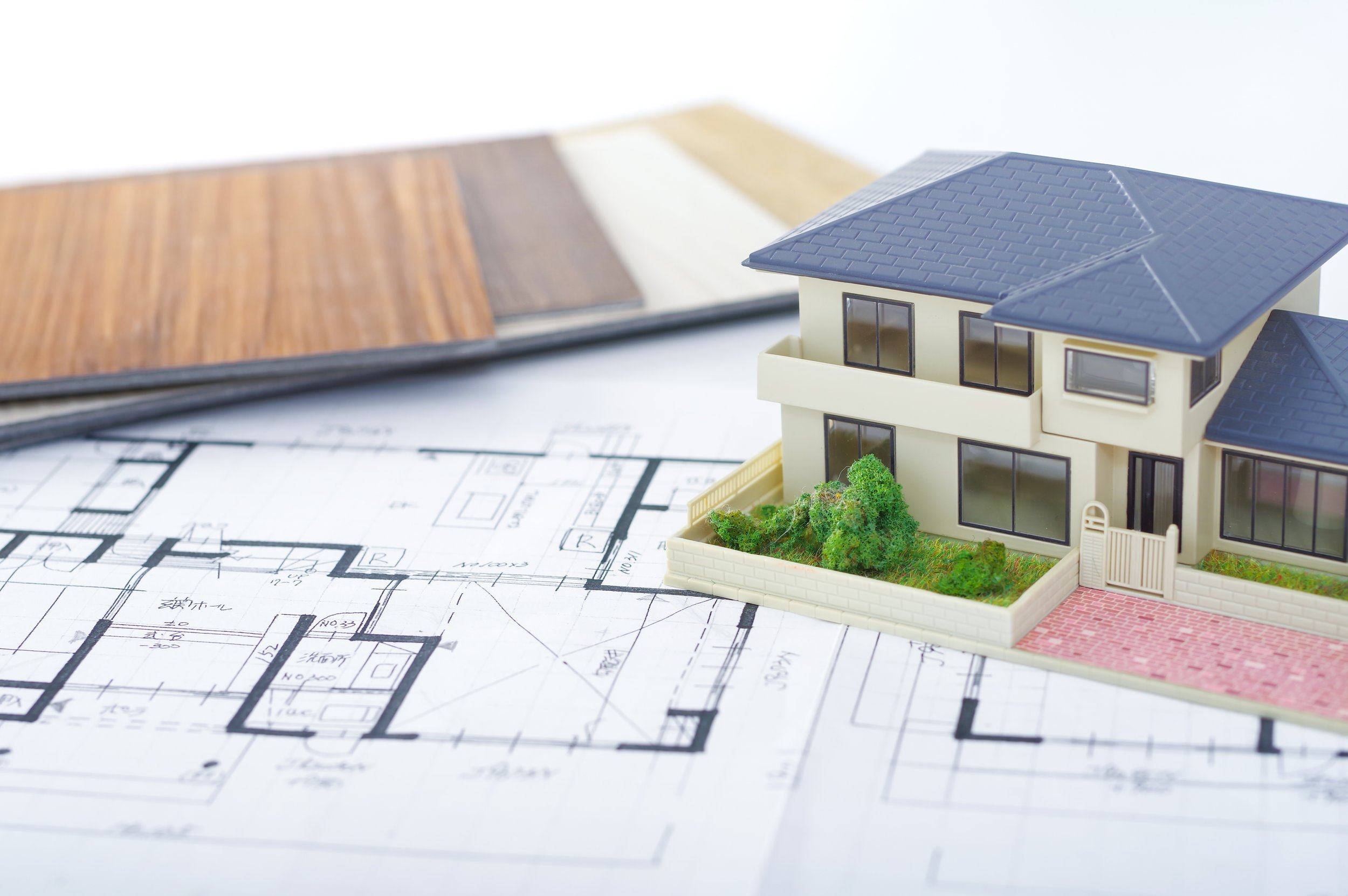
Creating a budget for a custom home build is essential because it sets clear financial boundaries before design and construction begin. In a market like San Diego, where land and construction costs can vary widely, a defined budget helps ensure the project stays realistic and aligned with your financial goals.
A structured budget prevents overspending by accounting for all major expenses upfront, including land, design, permits, site work, construction, and interior finishes. It also helps identify cost priorities early, allowing homeowners to decide where to invest more and where to scale back if needed.
Budgeting also reduces risk during construction. Without a clear financial plan, unexpected costs can cause delays or force design changes mid-project. A well-prepared budget, often developed with input from a builder, creates a roadmap that keeps decisions consistent and the project moving smoothly from planning to completion.
Budgeting Tips for Building a Custom Home
Set a realistic total budget early based on size, location, and quality level
Use a cost per square foot estimate as a starting point, then refine it with a builder
Separate your budget into categories like land, design, permits, site work, and construction
Include interior finishes, appliances, landscaping, and utility connections in your planning
Add a contingency reserve of 10 to 15 percent for unexpected costs or changes
Prioritize must-have features first, then allocate remaining budget to upgrades
Get detailed estimates from a custom home builder before finalizing plans
Compare material and finish options to understand cost differences early
Plan for long-term costs like energy use, maintenance, and property taxes
Review and update your budget regularly as design decisions evolve
The Role of a Custom Home Builder in Budgeting
A custom home builder plays a central role in creating a realistic and reliable budget for a new home. In markets like San Diego, builders help translate design ideas into actual construction costs by evaluating materials, labor, site conditions, and current market pricing. This early input helps homeowners understand what their vision will cost before construction begins.
Builders also help break the project into clear cost categories, including land preparation, structural work, finishes, permits, and utilities. This structure makes it easier to identify where money is being allocated and where adjustments can be made if needed. Their experience allows them to anticipate hidden costs such as grading, soil conditions, or utility extensions that might otherwise be missed during initial planning.
They also guide decisions that impact overall budget efficiency. By recommending alternative materials, design adjustments, or construction methods, builders help align the home’s design with the available budget without sacrificing quality or function. Throughout the project, they monitor costs, manage changes, and help prevent overruns by keeping spending aligned with the original financial plan.
What to Do if the Plan Goes Off Budget
If a custom home project in San Diego starts going over budget, the first step is to identify exactly where the overruns are coming from. Costs often increase due to design changes, site conditions, material upgrades, or unexpected construction challenges, so isolating the source helps determine the right response.
Once the cause is clear, the next step is to prioritize spending. Focus on completing structural and essential systems first, then evaluate which finishes or upgrades can be adjusted, delayed, or simplified without affecting safety or functionality. Small design modifications, material substitutions, or phased upgrades can often bring the project back in line financially.
Working closely with the custom home builder is also important. Builders can recommend cost-saving alternatives, renegotiate material selections, and adjust construction methods to reduce expenses while maintaining quality. Regular budget reviews during construction help prevent further overruns and keep the project aligned with financial goals moving forward.
Do Plans Frequently Go Over Budget?
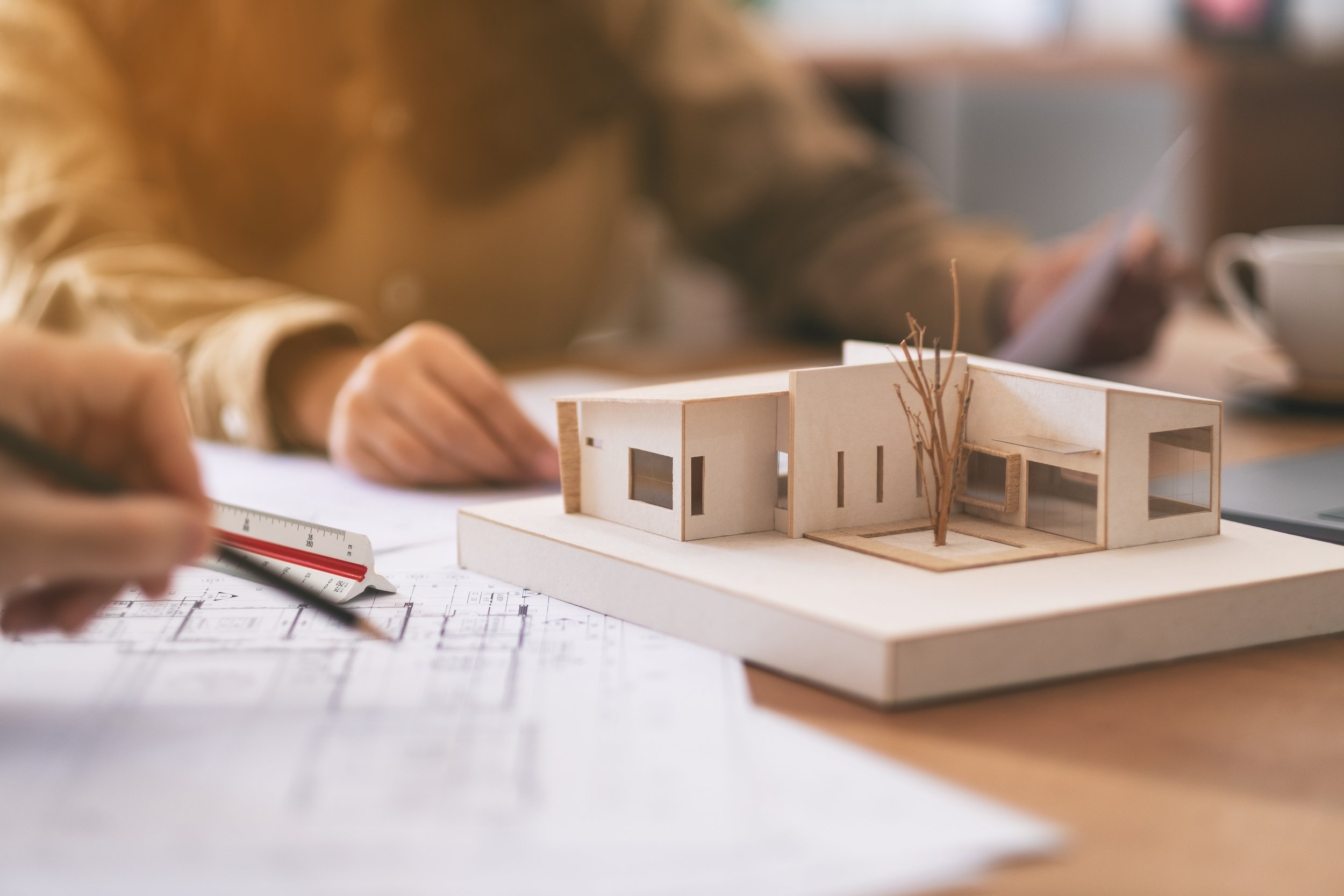
Custom home projects in San Diego do sometimes go over budget, but it is usually tied to how early the plan was defined and how many decisions change during the build. Cost increases most often come from design revisions, upgrades to finishes, unknown site conditions, or changes in material and labor pricing during construction.
Going over budget is not guaranteed, especially when the project is carefully planned from the start with detailed drawings, accurate estimates, and strong builder input. Well-managed projects with clear selections made early tend to stay much closer to their original financial range.
Increasing your budget is not always necessary, but building in flexibility is smart. A more effective approach is setting a realistic base budget and adding a contingency reserve, typically 10 to 20 percent, rather than inflating the entire number. This gives room for adjustments without assuming overspending will happen. If your design goals or lot conditions are complex, discussing a slightly higher planning range with your builder can also help create a more accurate and stress-free budget from the beginning.
A contingency reserve is a portion of your total construction budget set aside specifically to cover unexpected costs during a custom home build. In a project in San Diego, it acts as a financial safety buffer for issues that are difficult to predict during planning, such as site conditions, design adjustments, material price changes, or unforeseen construction challenges.
Most custom home projects plan a contingency reserve of about 10 to 15 percent of the total construction budget. For simpler builds with well-documented plans and flat lots, closer to 10 percent may be sufficient. For more complex projects involving hillside grading, high-end finishes, or evolving design decisions, 15 to 20 percent is more common.
This reserve is not meant to be spent upfront, but rather held for approved changes or unexpected needs that arise during construction. Having it in place helps keep the project financially stable and reduces the risk of delays or compromises when adjustments are required.
How Are Costs Tracked During Construction?
During construction, costs are tracked through detailed project management systems that compare the original budget to actual spending in real time. In a custom home project in San Diego, the builder typically maintains a cost breakdown that separates labor, materials, permits, subcontractors, and change orders so every expense can be monitored as the project progresses.
Invoices from suppliers and subcontractors are reviewed and logged against specific budget categories, allowing the builder and homeowner to see where money is being spent and whether any area is trending over budget. Many builders also use construction management software that updates costs automatically as work is completed and payments are issued.
Change orders are a key part of cost tracking. Any design change or upgrade during construction is documented with updated pricing before work proceeds, ensuring transparency and preventing unexpected charges. Regular budget reviews between the builder and homeowner help keep the project aligned with the original financial plan and allow adjustments to be made early if needed.
Common Budgeting Mistakes to Avoid When Building a Custom Home
One of the biggest budgeting mistakes when building a custom home in San Diego is underestimating total project costs by focusing mainly on the construction price and ignoring other major expenses. Many homeowners forget to fully account for land preparation, grading, utility connections, architectural and engineering fees, permits, and impact fees, all of which can add a significant portion to the overall budget before construction even begins.
Another common issue is setting a budget without a clear design plan. When square footage, layout, and finish levels are not defined early, initial estimates are often inaccurate. This leads to budget gaps once design decisions are finalized and pricing becomes more precise. Closely related to this is selecting finishes or upgrades before confirming what the full project can realistically support financially, which can force compromises or redesigns later.
Insufficient contingency planning is also a frequent problem. Many projects do not include a 10 to 20 percent buffer for unexpected conditions such as soil issues, structural adjustments, material price changes, or design revisions. Without this cushion, even small changes can push a project over budget quickly.
Frequent changes during construction create another major cost risk. Each design adjustment, upgrade, or revision often triggers additional labor, material, and scheduling costs, which can compound over time. Projects with many change orders almost always exceed initial financial expectations.
Relying on rough or informal estimates instead of detailed input from a qualified custom home builder can also lead to inaccurate budgeting. Early professional cost analysis based on real site conditions, current labor rates, and material pricing is essential for setting a realistic financial plan and avoiding large gaps between expectations and actual costs.
Build Your Home in California With Buildable

Building a custom home takes an immense amount of time and effort, but with the right team, the end result will be well worth it. The process can appear overwhelming to those who start the journey alone; however, building your dream home can be simple when you approach the process with experts by your side who can guide you through every step. Buildable specializes in modest semi luxury and luxury custom home construction, meaning we have the experts on our team that you need to have a stress-free home build, and create the luxury home of your dreams. We have over 40 years of home building experience within our team, and over 1,000 homes built. Read about our team, talk to us, and get the answers to questions you may have about starting the custom home building process in Southern California.
Read More About: