Land Feasibility Study for Custom Home: What Does it Cost in San Diego?
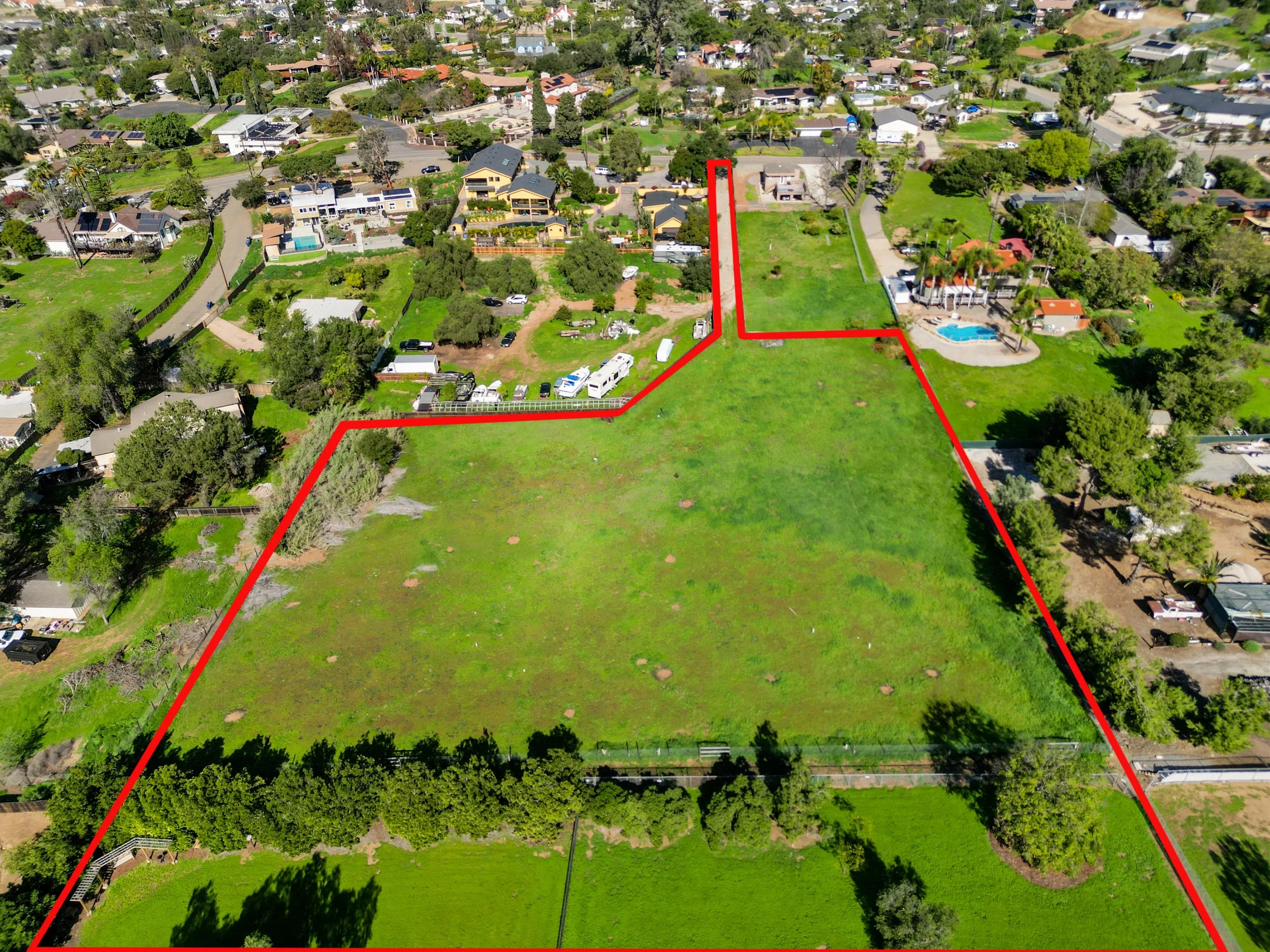
You found a lot. It looks great on paper. Price seems reasonable, the views are good, and you can already picture the house. Before you write that offer, you need to ask: is this lot actually buildable, and what's it really going to cost to build on it?
That's what a land feasibility study for a custom home is for. And it's the single most underrated step in custom home building.
Below is what a feasibility study actually includes, what you should expect to pay for one in San Diego in 2026, and why skipping it is one of the most expensive mistakes we see buyers make.
The short answer
A real land feasibility study in San Diego County costs $15,000 to $25,000.
That number surprises people who've seen $2,500 "feasibility reports" advertised online. Most of those cheap reports are zoning summaries, not real feasibility studies. They might tell you whether you can build something on the lot, but they don't tell you what it'll actually cost, what hidden problems are waiting, or whether the project pencils out for what you're trying to do.
A real feasibility study runs down everything: zoning, site conditions, utilities, soils, slope, access, hidden costs, and a preliminary construction budget tied to the actual lot, not a generic per-square-foot guess. The work doesn't get cheaper just because the lot looks simple. That's how surprises show up later.
It sounds like a lot of money to spend before you've even bought the land. It's a fraction of what you'll spend if the answers come back wrong after you close.
What a land feasibility study actually includes
People use "feasibility study" loosely. Some of what gets sold under that name is a one-page summary that barely scratches the surface. A real feasibility study answers four questions about a specific property.
Can you legally build what you want here?
Zoning, setbacks, lot coverage, height limits, easements, HOA requirements, coastal commission rules if applicable, brush management zones, and any overlay districts that apply. Zoning regulations dictate what types of structures you can build and how they can be used. Setback requirements specify how far structures must be from property lines, which directly limits the buildable area of the lot. Lot coverage caps how much of the lot can be covered by structures. Overlay districts add their own rules on top of base zoning. Easements and encroachments can restrict construction in specific areas and need to be revealed through a title search.
This is the desk-research piece, and it's where most buyers get blindsided.
Can you physically build what you want here?
Soil conditions, slope, drainage, access, utility availability (water, sewer or septic, gas, power), distance to existing utility lines, and any environmental constraints. Soil and geotechnical testing tells you the soil's bearing capacity, groundwater conditions, and what kind of foundation the lot will support. If there's no public sewer, the lot needs to pass a percolation test (or perc test) to support a septic system. If there's no public water, the feasibility of drilling a well needs to be verified. Utility verification confirms the availability and connection requirements for electricity, water, and sewer, including the cost of any extensions or hookups. Utility connections can be a significant hidden cost if lines are far from the property.
Usually requires at least one site visit and sometimes third-party reports.
What's it going to cost to build it?
A real feasibility study should be through the lens of your budget and how the actual conditions of the property will impact it. Cost estimation includes a breakdown of soft costs like permits and design, plus hard costs for site preparation. Impact fees for schools, roads, or utilities can significantly affect the total project cost. These are fees charged by local governments to offset the impact of new development on public infrastructure.
This is where most "feasibility reports" fall short. They tell you the lot is buildable but don't tell you whether the building will fit your budget.
What hidden costs are you about to inherit?
Grading and site prep
Retaining walls
Long utility trenches
Septic systems if there's no sewer
Water capacity fees
School fees
Traffic impact fees
Fire requirements like sprinklers or storage tanks
These can easily add $75,000 to $150,000 to a build budget in San Diego County. The study identifies the hidden constraints that catch buyers by surprise after closing.
Why the price is the same whether the lot looks easy or hard
This is where we differ from most builders.
A lot of feasibility "reports" you'll see priced at $2,500 to $7,500 are scoped to the lot. Easy-looking lot, cheap report. Complicated lot, more expensive report. The problem is that the lots that look easy are exactly where the expensive surprises hide. Flat lot, sewer at the curb, looks like a layup. Then you find out the soils need over-excavation, the existing utilities are undersized, or the neighborhood overlay caps your second story.
We charge the same range for every lot because we run down the same things on every lot. Same checklist. Same depth. Same builder-grade construction budget at the end.
Here's what's in that scope no matter what the lot looks like:
A full zoning and entitlement review, including any overlays, HOA rules, coastal or brush management requirements
A site visit and physical evaluation of slope, drainage, access, and any conditions that affect the build
Verification of utility availability and what it'll actually cost to connect
Coordination of third-party reports when needed (topographic survey, soils, percolation, boundary)
A preliminary construction budget tied to your actual program, not a generic number
A written report flagging every red flag, hidden cost, and decision point we found
When the lot turns out to be simple, the report is shorter and we hand it back faster. The work that goes into it is the same.
Specific cost ranges for San Diego County
Here's what we typically see in 2026, by lot type:
Standard residential lot, inland (Escondido, San Marcos, Vista, Ramona, Poway)
$15,000 to $25,000. Flat or gently sloped, sewer or established septic, utilities at or near the lot, conventional zoning. The "easy" lots, where most buyers assume they can skip the study and end up regretting it.
Coastal residential lot (Encinitas, Carlsbad, Del Mar, La Jolla)
$15,000 to $25,000. Coastal commission review, stricter design rules, shorter setbacks, tighter buildable envelopes, and overlay constraints that don't show up in standard zoning maps.
Hillside or sloped lot (Rancho Santa Fe, Mt. Helix, Alpine, Bonita)
$15,000 to $25,000. Steep slopes bring real challenges for foundation design, grading, and drainage. Slope analysis, retaining wall implications, drainage engineering, fire access requirements, and grading cost estimates are all folded into the study.
Rural unincorporated parcel (Julian, Jamul, parts of Valley Center)
$15,000 to $25,000. Septic feasibility, well drilling considerations, fire suppression requirements (often a 10,000-gallon storage tank), long utility runs, and driveway access challenges that aren't obvious from the road. Securing a functional driveway route can require easements or negotiations with neighbors.
Fixer-upper with major renovation potential
$15,000 to $25,000. Structural assessment of what's keepable, code-upgrade implications, and a real remodel-vs-rebuild cost comparison so you can make the call with numbers, not guesses.
The range moves based on what third-party reports the property needs. The work we do stays the same.
What you actually walk away with
A good feasibility study gives you a written report that pulls together the research, site analysis, engineering assessments, and preliminary design notes you need to make the call on the lot. The feasibility report includes, at minimum:
Zoning and Restrictions Summary
A summary of zoning, setbacks, height limits, and any overlays or restrictions that apply to the property.
Preliminary Site Plan
A preliminary site plan showing the buildable envelope and where the home can physically sit.
Notes on Slope, Drainage, and Site Work
Notes on slope, drainage, and any site work the lot will need.
Utility Confirmation
Confirmation of utility availability, including any extension or connection costs you'll face.
Preliminary Construction Budget
A preliminary construction budget tied to your actual program (size, story count, finish level), not a generic number.
Red Flags and Unknowns
A list of red flags or unknowns that would need further investigation if you proceed.
If the report you're paying for doesn't include those things, you're not getting a feasibility study. You're getting a zoning summary.
Why we recommend doing this before you make an offer
We've seen this play out hundreds of times. A buyer falls in love with a lot, writes an offer, closes, and then finds out the soils require pier-and-beam foundations instead of slab (add $40,000), the sewer is 600 feet away (add $80,000 in trenching), or the zoning won't allow the second story they wanted (add a complete redesign and 6 months of permitting headaches).
That's why we recommend running a land feasibility study for a custom home before you enter a purchase agreement. Including a feasibility study contingency in the offer gives you time to test the property, run the soil reports, check zoning, and walk away if something comes back wrong. The study should have a clear scope spelling out what gets done during the period. Depending on the complexity of the site and the third-party reports involved, the process can take a few weeks to a few months.
A $25,000 feasibility study in escrow would have flagged every one of the issues above. The buyer either negotiates the purchase price down to absorb the costs, walks away from the wrong lot, or proceeds with eyes open and a real budget. All three of those outcomes are better than closing on a property that doesn't pencil out.
This is what we mean when we say we show up first. Most builders get hired after the land is bought and the architect is drawing. By then, the expensive decisions are already made. We'd rather get involved before you sign the offer, evaluate the property honestly, and tell you whether the math works on this specific lot.
How Buildable approaches feasibility
We've delivered more than 1,000 homes across San Diego, Orange, Riverside, and Los Angeles counties. Co-founder Michelle Pettycord holds a California Class A General Contractor's License and serves as a Subject-Matter Expert for the California Contractors State License Board. Between us, we've seen pretty much every way a lot can surprise you.
When we run a feasibility study, we're not just confirming the lot is buildable. We're giving you a real construction budget, flagging the hidden costs other builders miss, and telling you honestly whether the property fits what you're trying to do. Sometimes the answer is "this is a great lot, here's what it'll cost." Sometimes it's "this lot has a $200,000 hidden problem and you should walk away."
We'd rather you walk away from the wrong lot than build on it.
When you might not need one
Not every situation needs a full feasibility study. If you already own the land, have a recent build in the same neighborhood to anchor expectations, and the lot is genuinely simple, a lighter due-diligence pass can work. If the property has been recently developed (utilities are in, soils have been tested, recent surveys exist), a lot of the work is already done.
But if you're considering buying land to build, especially anything with slope, age, distance from utilities, or a coastal designation, the question isn't whether you can afford a feasibility study. It's whether you can afford to skip one.
Run your numbers
If you're evaluating a specific lot or fixer-upper in San Diego County or anywhere across our service area, we offer free initial consultations. We'll walk through the property with you, flag the obvious issues, and tell you whether a full feasibility study makes sense for your situation. No pressure, no pitch. If the lot's a problem, we'll say so.
If you want to keep researching first, here are two related reads:
How much does it cost to build a house in San Diego in 2026?