How to Build a Fire-Resistant Custom Home: Tips, Materials & Design Strategies
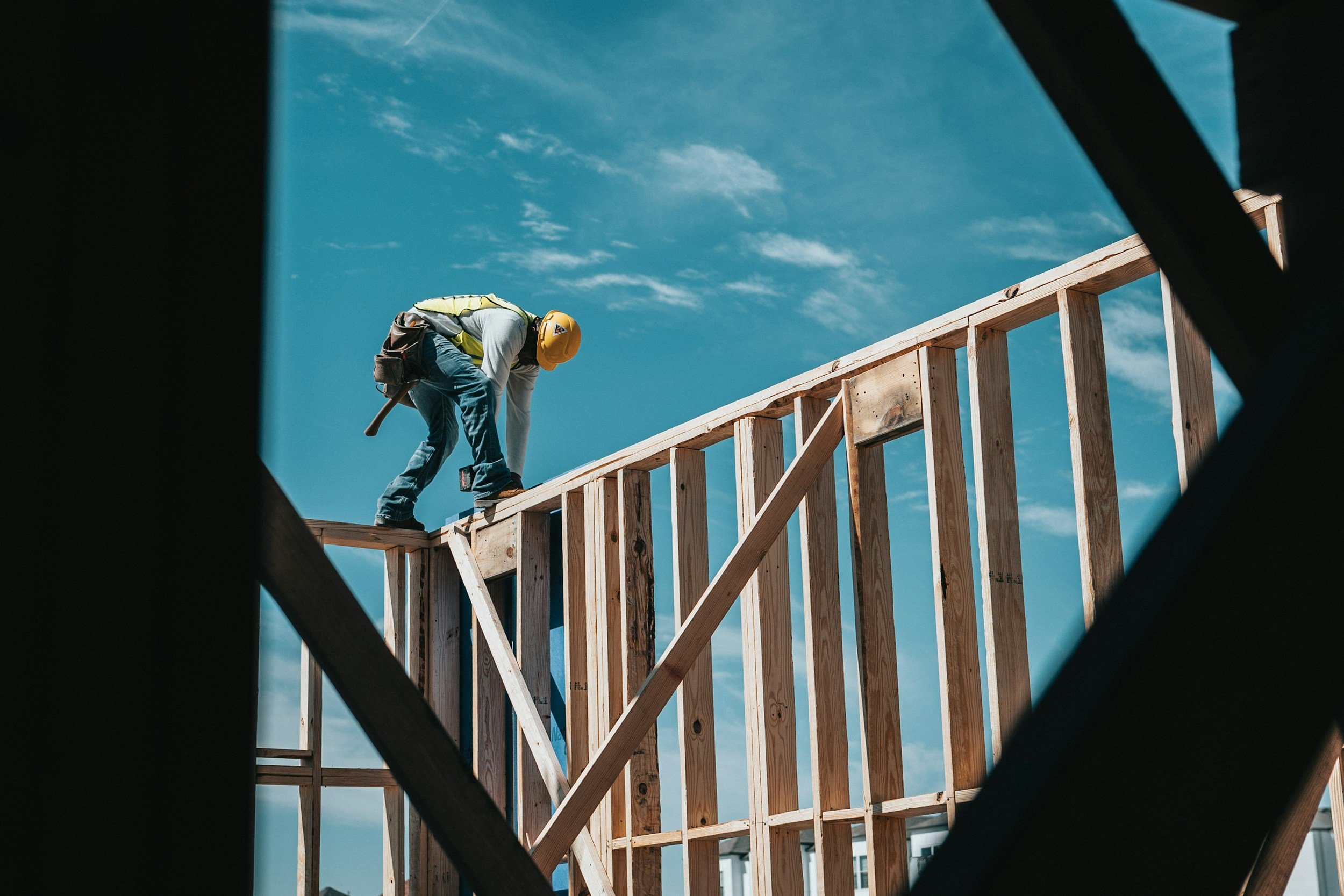
Building a fire-resistant custom home is essential for protecting your property and family, especially in areas prone to wildfires. By carefully selecting materials, designing strategic layouts, and incorporating safety features, homeowners can significantly reduce fire risks while maintaining a stylish and functional home. From fire-resistant roofing and siding to durable windows and defensible landscaping, every choice impacts your home’s overall safety and longevity. This guide explores the best materials, design strategies, and expert tips for creating a custom home that is both beautiful and built to withstand fire hazards. Additionally, current building codes have numerous features to make the structure fire resistant no matter what design you choose for the home.
What Is a Fire-Resistant Custom Home?
A fire-resistant custom home is designed and built to reduce the risk of fire damage using materials, construction techniques, and design strategies that resist flames and heat. This includes fire-resistant roofing, siding, windows, and insulation, as well as features like ember-resistant vents and defensible landscaping. While no home can be completely fireproof, fire-resistant construction improves safety, increases durability, and can lower insurance costs, especially in areas prone to wildfires. New construction in California requires these types of features and will be integrated into your design.
Pros of Fire-Resistant Custom Homes
Enhanced Safety: Reduces the risk of fire damage to your home and family
Lower Insurance Premiums: Many insurers offer discounts for fire-resistant features
Durable Materials: Roofs, siding, and windows last longer and withstand extreme conditions
Increased Home Value: Fire-resistant homes are attractive in wildfire-prone areas
Peace of Mind: Provides security and protection during fire season
Cons of Fire-Resistant Custom Homes
Higher Upfront Costs: Fire-resistant materials like metal roofs or fiber cement siding can be more expensive
Specialized Installation: Some materials require professional installation and labor costs may be higher
Limited Material Options: Aesthetic choices may be restricted compared to traditional materials
Maintenance Requirements: Certain features, like defensible landscaping, require ongoing upkeep
How to Build a Fire-Resistant Custom Home
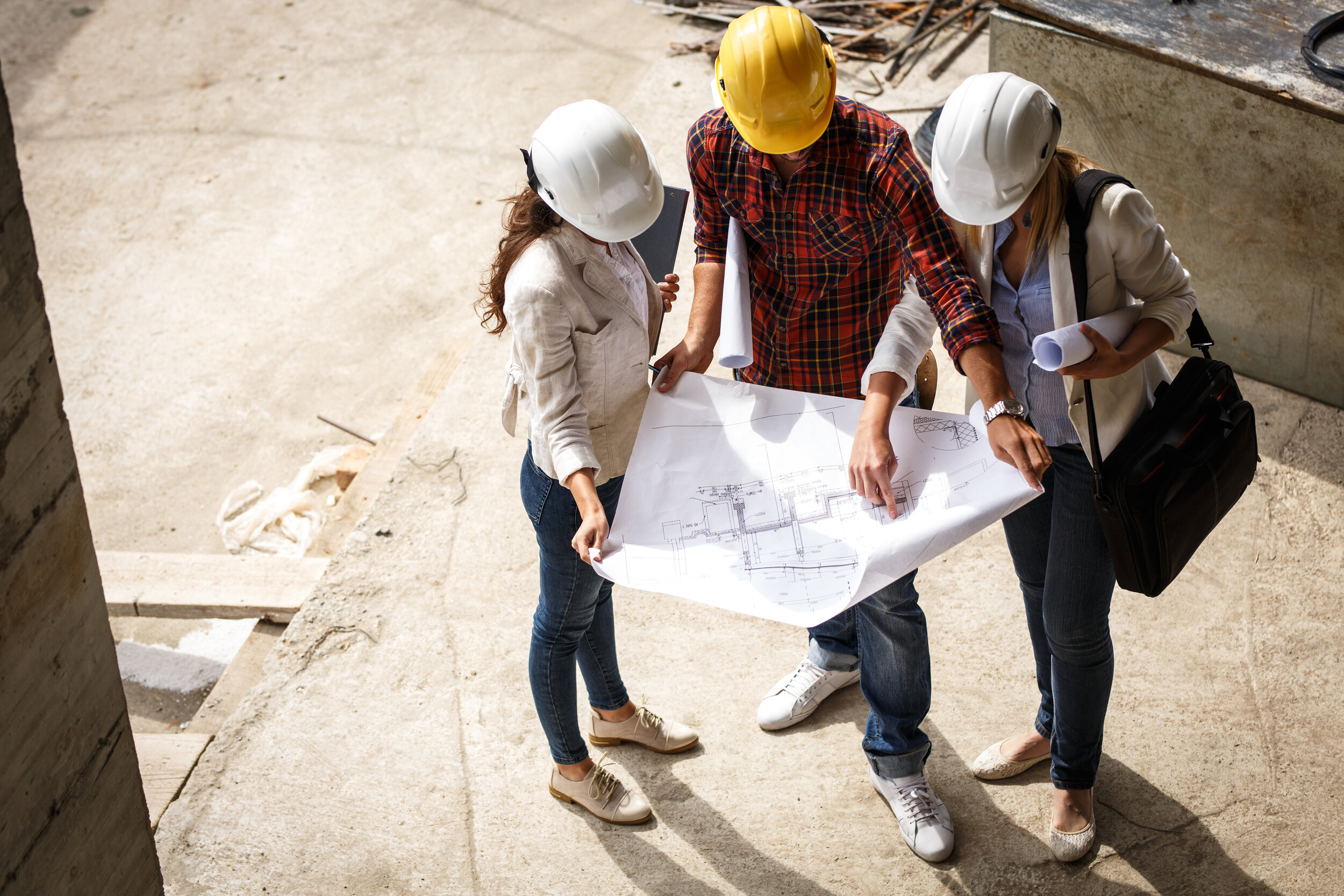
Building a fire-resistant custom home requires careful planning, material selection, and design strategies. Start by choosing fire-resistant materials for your roof, siding, windows, and decks, such as metal, concrete, fiber cement, or tempered glass. Incorporate fire-rated insulation, ember-resistant vents, and proper spacing around the home to reduce the risk of ignition. Landscaping with fire-resistant plants and maintaining defensible space further protects your property. Work with an experienced builder or architect to integrate these features seamlessly into your design while maintaining aesthetics and functionality. By taking a comprehensive approach, you can create a custom home that is safer, durable, and better prepared for wildfire-prone areas.
Fire-Resistant Roofing
The roof is the most exposed part of a home and a major source of fire risk.
Clay or Concrete Tiles
Pros: Fire-resistant, long-lasting, ideal for hot climates
Cons: Heavy, requires reinforced roof structure, higher upfront cost
Slate Roofing
Pros: Extremely fire-resistant, long lifespan, premium look
Cons: Very heavy, expensive, specialized installation needed
Metal Roofing
Pros: Highly durable, fireproof, low maintenance, reflects heat
Cons: Higher cost, can be noisy during rain or hail
Fire-Resistant Siding & Exterior Materials
Exterior walls can help prevent fire from spreading into your home.
Fiber Cement Siding
Pros: Non-combustible, low maintenance, weather-resistant
Cons: Higher cost than vinyl, heavier to install
Stucco
Pros: Durable, fire-resistant, popular in warm climates
Cons: Can crack if not installed properly, skilled labor required
Brick or Stone Veneer
Pros: Naturally fire-resistant, low maintenance, timeless appearance
Cons: Expensive, labor-intensive installation
Fire-Resistant Windows & Doors
Windows and doors are vulnerable points for fire entry.
Tempered or Double/Triple-Pane Glass
Pros: Heat-resistant, slows fire spread, energy-efficient
Cons: More expensive than standard glass, heavier
Cost Range: $300 to $1,200 per window depending on type
Metal or Fiberglass Doors
Pros: Fire-resistant, durable, low maintenance
Cons: Higher cost than wood, limited style options
Cost Range: $800 to $2,000 per door
Fire-Resistant Decking & Outdoor Features
Outdoor areas can ignite from embers or nearby fires.
Composite Decking
Pros: Fire-resistant, low maintenance, durable
Cons: Higher upfront cost than wood, can fade over time
Concrete or Stone Patios
Pros: Non-combustible, long-lasting, minimal maintenance
Cons: Heavy, installation can be labor-intensive
Fire-Resistant Insulation & Ventilation
Proper insulation and ventilation can prevent fire spread inside walls and attics.
Mineral Wool or Fiberglass Insulation
Pros: Fire-resistant, soundproof, energy-efficient
Cons: Can be more expensive than standard fiberglass
Ember-Resistant Vents
Pros: Blocks sparks and embers, helps prevent attic fires
Cons: Requires professional installation, adds minor cost
Landscaping & Defensible Space
In the County of San Diego, properties located in fire-prone areas, especially those within Very High Fire Hazard Severity Zones (VHFHSZ), are required to incorporate defensible space into their landscape planning. This means strategically designing and maintaining vegetation around the home to reduce fire risk and improve safety. Defensible space typically includes cleared zones within 50 to 100 feet of the structure, where flammable plants are removed or replaced with fire-resistant species, mulch is minimized, and spacing between trees and shrubs is carefully managed. In many cases, a landscaping plan may be required as part of your permit submission. Proper implementation not only supports code compliance but also significantly increases your home’s resilience during wildfire events.
Fire-Resistant Plants
Pros: Slows fire spread, adds beauty to the property
Cons: Requires careful selection, regular maintenance
Strategic Spacing and Hardscaping
Pros: Creates buffer zones, protects structures
Cons: Reduces usable green space, planning required
Is Fire-Resistant Construction Required?
Whether fire-resistant construction is required depends on your location, but much of San Diego County falls within High or Very High Fire Hazard Severity Zones (FHSZs), which do require fire-resistant construction under Chapter 7A of the California Building Code. This includes Class A fire-rated roofing, non-combustible or ignition-resistant siding, ember-resistant vents, and fire-rated eaves and soffits. New construction in these zones must also comply with defensible space requirements under Public Resources Code 4291.
Even in areas outside mapped fire zones, San Diego County encourages use of fire-resistant materials to enhance safety and reduce insurance premiums. We recommend confirming your parcel’s designation with the County’s Fire Hazard Severity Zone Map and working with your builder to ensure compliance with local regulations before finalizing plans or materials.
What Increases Fire Risks of Custom Homes?
Contrary to common belief, custom homes can be designed to significantly reduce fire risk. By thoughtfully selecting fire-resistant materials, as Class A roofing, non-combustible siding, and dual-pane tempered windows, homeowners can build in resilience from the ground up. Features like integrated fire sprinklers, ember-resistant vents, and strategic site planning all enhance protection. Unlike older homes or tract builds, custom homes can also prioritize defensible space and incorporate wildfire-conscious landscaping from day one. With modern building codes, advanced materials, and tailored design, custom homes offer a unique opportunity to lower the chances of fire damage, especially in high-risk areas.
Are Fire-Resistant Custom Homes Good for Insurance?
Yes, fire-resistant custom homes can help lower insurance premiums and improve coverage options. Insurers often view homes built with fire-resistant materials, such as metal or tile roofs, fiber cement siding, and tempered windows, as less risky in wildfire-prone areas. Features like ember-resistant vents, defensible landscaping, and fire-rated insulation can also contribute to reduced risk. While rates vary by location and insurer, investing in fire-resistant construction can lead to lower premiums, better policy terms, and added peace of mind. Always check with your insurance provider to confirm which features are recognized for discounts or enhanced coverage.
Is There a Way to "Fireproof" a Custom Home?
While no home can be completely fireproof, you can design and build a fire-resistant custom home that significantly reduces the risk of fire damage. This involves using fire-resistant materials for roofing, siding, windows, sprinklers, and decking, as well as incorporating safety features such as ember-resistant vents, spark barriers, and defensible landscaping. Proper spacing between structures, fire-rated insulation, and strategic design choices like minimizing overhangs can also improve protection. By combining these strategies, you can create a home that is highly resistant to fire while still being safe, functional, and aesthetically pleasing.
How Much Does a Fire-Resistant Custom Home Cost?
The cost of a fire-resistant custom home varies based on size, design, materials, and location. Using fire-resistant materials like metal or tile roofing, fiber cement siding, tempered windows, and fire-rated insulation typically increases the upfront cost compared to standard construction. On average, fire-resistant custom homes can range from $400 to $600 per square foot, with luxury or high-end designs exceeding $1,000 per square foot. While the initial investment is higher, these homes can provide long-term savings through lower insurance premiums, increased durability, and enhanced safety.
How Long Does It Take to Build a Fire-Resistant Custom Home?
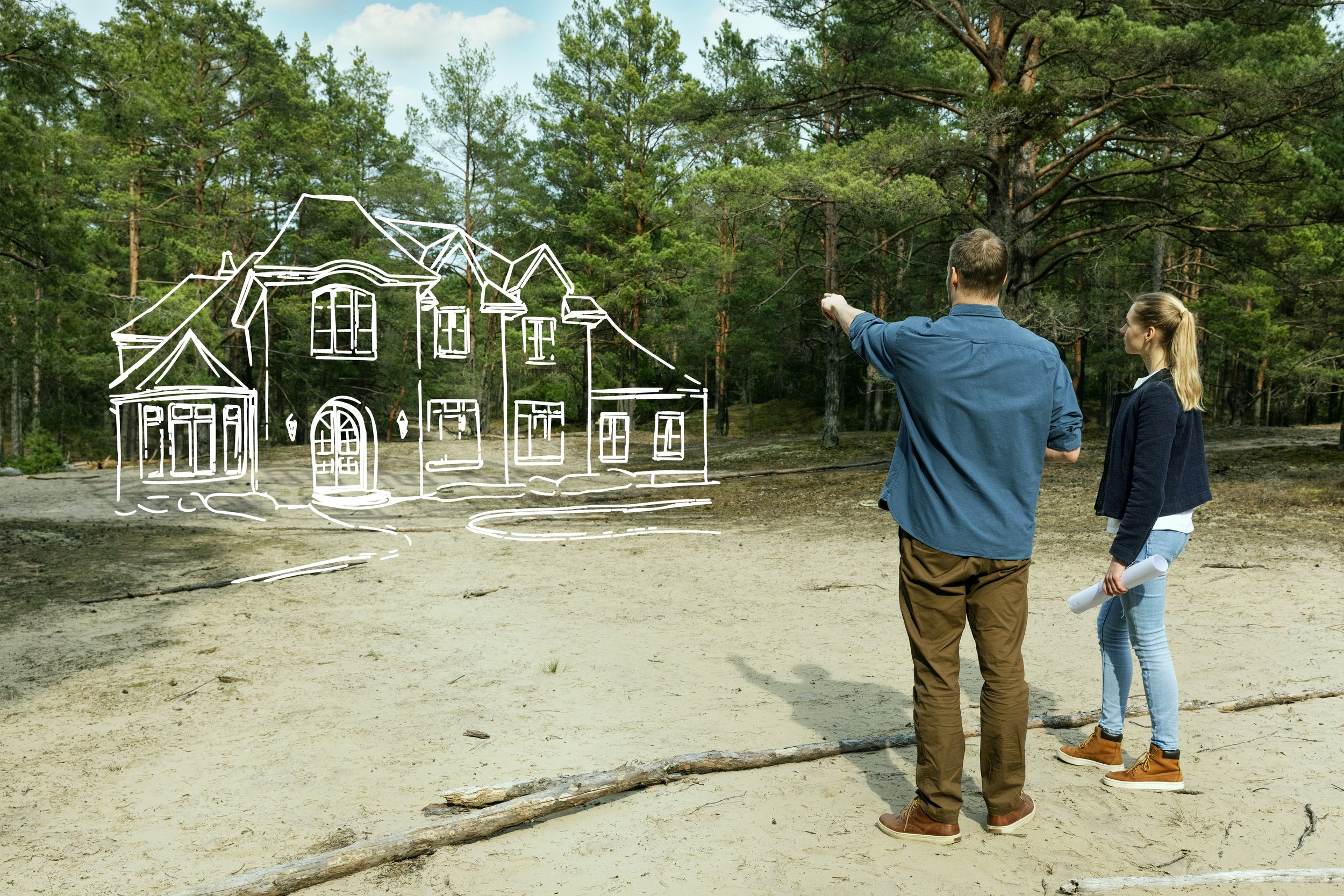
The construction timeline for a fire-resistant custom home depends on size, complexity, material choices, and builder availability. On average, a standard fire-resistant custom home can take 10 to 238 months to complete, while larger or luxury homes may require 12 to 16 months or more. Using specialized materials such as metal or tile roofing, fiber cement siding, and fire-rated windows can add time due to delivery and installation requirements. Planning ahead and working closely with an experienced builder can help streamline the process and ensure that fire-resistant features are properly integrated without delays.
What Are the Maintenance Requirements for Fire-Resistant Homes?
Fire-resistant homes require regular maintenance to ensure their protective features remain effective. Key tasks include inspecting and repairing roofs and siding, keeping gutters and vents clear of debris, and maintaining defensible landscaping by trimming plants and removing dry vegetation. Fire-resistant windows, doors, and insulation generally require minimal upkeep, but periodic checks are recommended. Staying on top of these maintenance tasks helps preserve the home’s fire resistance, enhance durability, and reduce insurance risks over time.
Build Your Home in California With Buildable

Building a custom home takes an immense amount of time and effort, but with the right team, the end result will be well worth it. The process can appear overwhelming to those who start the journey alone; however, building your dream home can be simple when you approach the process with experts by your side who can guide you through every step. Buildable specializes in modest semi luxury and luxury custom home construction, meaning we have the experts on our team that you need to have a stress-free home build, and create the luxury home of your dreams. We have over 40 years of home building experience within our team, and over 1,000 homes built. Read about our team, talk to us, and get the answers to questions you may have about starting the custom home building process in Southern California.
Read More About:
Get in contact with us to learn more about the home build process and working with Buildable.