Building vs Buying a Home: Weighing Your Options for the Best Choice
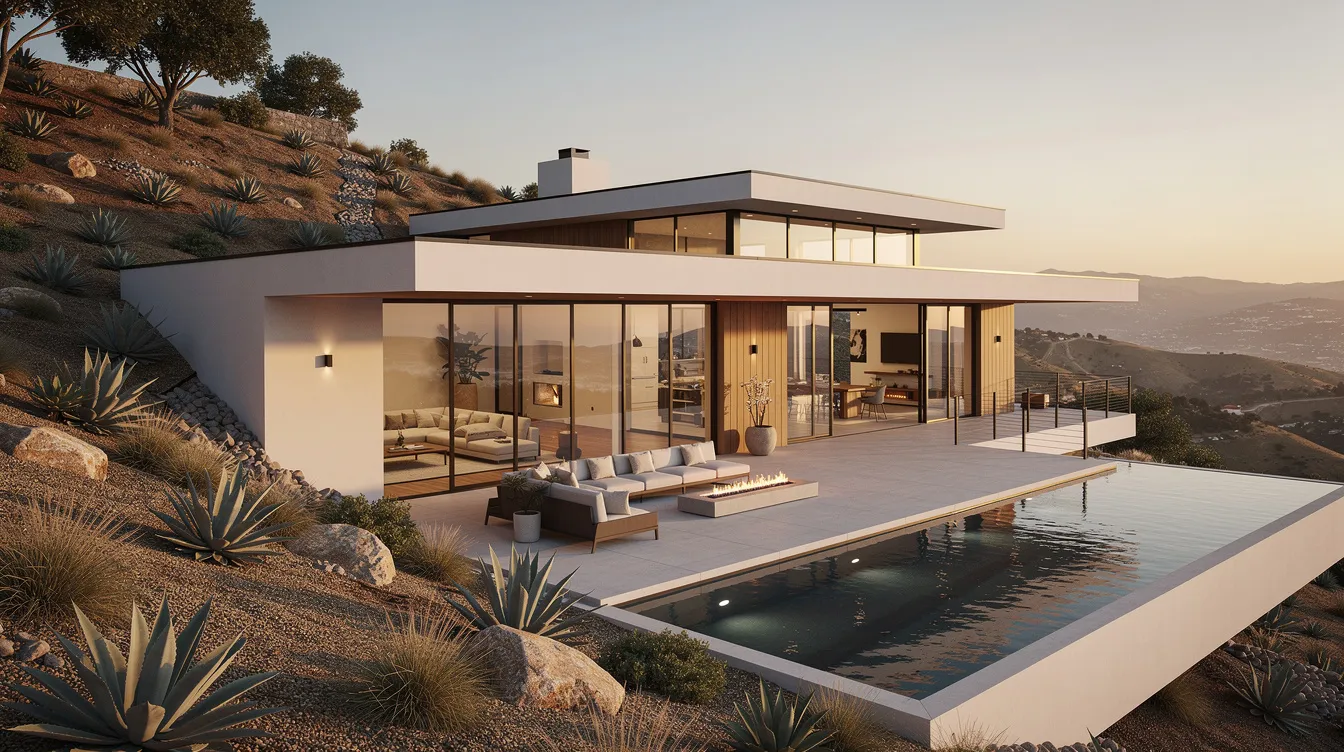
If you're considering building vs buying a home in San Diego, Orange, Riverside, or Los Angeles County, you've probably asked yourself the same question most buyers wrestle with: should I build a custom home or buy an existing one? Making the right choice can save you time, money, and stress, especially in Southern California's competitive real estate market.
This guide compares the pros, cons, costs, and timelines of building a new home, buying an existing home, and renovating a fixer-upper in Southern California. It's designed for anyone considering a move in San Diego, Orange, Riverside, or Los Angeles County who wants to make an informed decision about their next home.
Why does this matter? The decision between building, buying, or renovating affects your budget, your move-in timeline, your ability to customize, and your long-term maintenance and energy costs. Understanding the main differences can help you avoid costly mistakes and find the best fit for your needs.
What's the Difference? Building vs Buying a Home
Building a home means purchasing land and constructing a new house from the ground up. This typically takes 6–12 months or more and involves multiple loans and higher upfront costs, but allows for full customization and lower maintenance/utility costs.
Buying a home means purchasing an existing house, usually with a single mortgage. This is faster (30–60 days) and often less expensive upfront, but may come with higher maintenance and energy costs.
In summary:
Building a new home typically takes longer (6–12 months or more) and can cost more upfront, but offers full customization and lower maintenance/utility costs.
Buying an existing home is faster (30–60 days), often less expensive upfront, but may come with higher maintenance and energy costs.
Financing for building is more complex, often requiring multiple loans and higher down payments.
Quick Comparison: Building vs Buying a Home
| Factor | Building a Home | Buying an Existing Home |
|---|---|---|
| Cost | Higher upfront costs (avg. $665,298 in 2024); land, permits, construction fees; construction costs rising due to labor/material shortages. | Lower upfront costs (avg. $510,900 in 2024); just down payment and closing costs. |
| Timeline | 6–12 months or more (often up to 2 years in SoCal). | 30–60 days (fastest path to homeownership). |
| Customization | Full customization—design your floor plan, finishes, and features. | Limited; inherit existing layout and features. |
| Financing | More complex: multiple loans (land, construction, mortgage); higher down payments (20–25%); stricter requirements. | Simpler: single mortgage (conventional, FHA, VA); lower down payment options. |
| Maintenance | Lower early maintenance (everything is new, under warranty). | Higher risk of repairs (older systems, possible hidden issues). |
| Energy Efficiency | High... modern materials, energy-efficient systems, lower utility bills. | Lower—older insulation, windows, HVAC; higher utility bills. |
Definitions: Building vs Buying a Home
Building a Home: Purchasing land and constructing a new house from the ground up. This process typically takes 6–12 months or more, involves multiple loans (land, construction, mortgage), and requires higher upfront costs. The main advantages are full customization and lower maintenance/utility costs due to new systems and energy-efficient construction.
Buying a Home: Purchasing an existing house, usually with a single mortgage. This is the fastest route (30–60 days) and often less expensive upfront, but may come with higher maintenance and energy costs due to older systems and less efficient construction.
Here's the short version. There are three paths:
Building a house (ground-up custom home): You purchase land, design your floor plan, and construct a new house from scratch. This takes roughly two years and gives you complete control over every detail.
Buying an existing home (move-in ready): You find a house that's already built, close escrow in 30 to 60 days, and move in. Fastest path to homeownership, but you inherit whatever layout and systems come with it.
Buying a fixer-upper and renovating it: You buy an existing house that needs work, then transform it into what you actually want. This is the Buildable Homes path, where we help you find promising fixers and handle the renovation.
Who fits where? If you need to move in within 3 to 6 months, buying an existing home is your clearest route. An experienced home buyer may have different priorities or may find building a home to be an enjoyable adventure, while a first-time buyer might prefer a simpler process. If you can wait about two years and want a dream home designed around your life, building makes sense. If you want customization plus an established neighborhood and can handle about six months of construction, a fixer-upper renovation hits that middle ground.
At Buildable, we build custom homes from the ground up. But if you'd rather buy an existing one, our Buildable Homes product helps you find the right fixer and renovate it into something tailored to you.
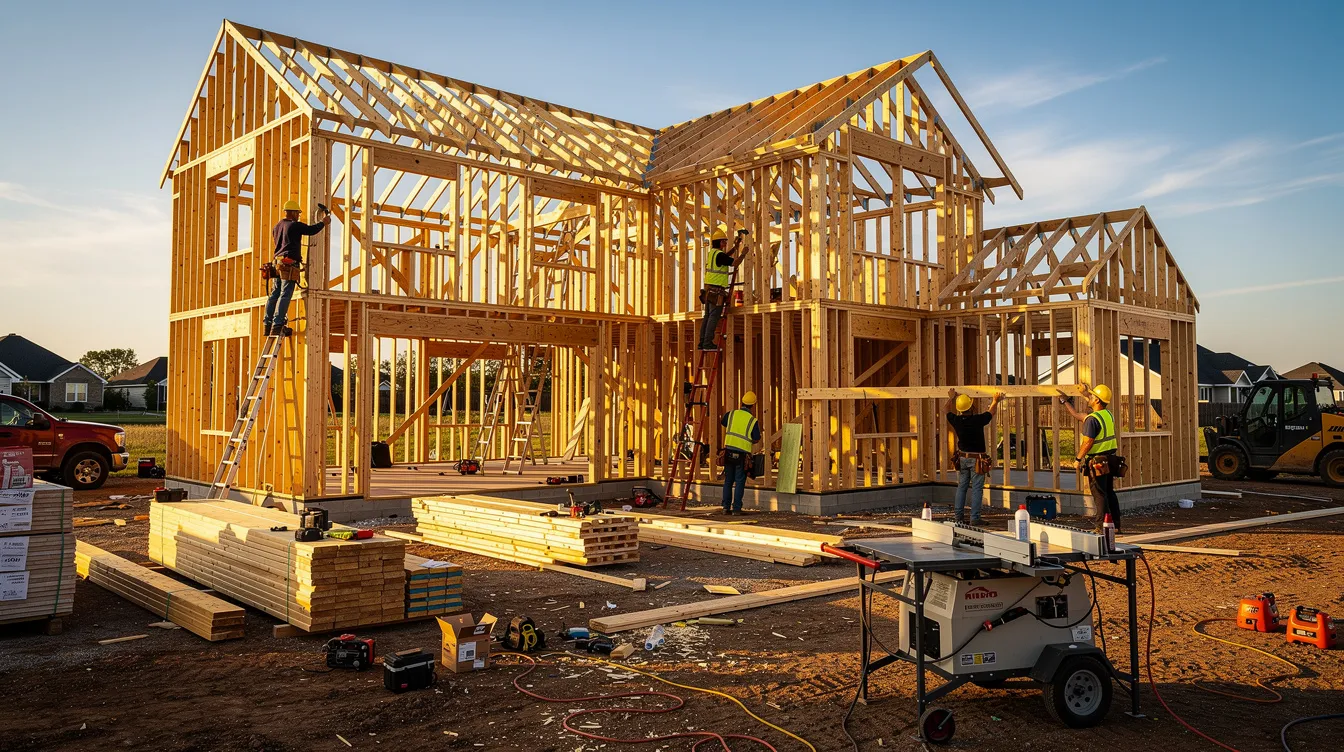
Building a house: what it really involves in Southern California
When we say "building a house" in SoCal, we mean the whole process: buying land, designing a custom home, pulling permits, and constructing it from foundation to final inspection. The typical timeline runs about two years from your first conversation to move-in. Building a home can take much longer than buying an existing one, often requiring 6 to 12 months or more just for the construction phase, while purchasing a home typically takes 30 to 60 days.
Buildable custom homes typically start at $400 to $500 per square foot. That does not include land costs, which vary dramatically by location. A buildable lot in Riverside County might run $500,000. In coastal Orange County, you could be looking at $2 million or more.
Land Acquisition and Site Evaluation
Buying land or confirming your lot is buildable: This includes zoning checks, slope analysis, utility access, and soil conditions. In Southern California, fire zone compliance under CAL FIRE standards and geological surveys for seismic stability add complexity.
Design and Permitting Process
Design and permitting: Working with an architect to create your floor plan, then navigating city approvals. In San Diego County, CEQA compliance can stretch this to 6 to 12 months alone.
Construction Phase
Construction: Site work, foundation, framing, mechanical systems, and finishes. Home builders play a big role here—their fees, project management style, and subcontractor choices all impact your total construction costs. Building materials and labor shortages in SoCal mean schedules require careful management.
Final Inspections and Move-In
Final inspections, closing costs, and move-in: Once the city signs off, you close on your construction loan conversion and get your keys.
Buildable typically gets involved before clients buy land. This matters because the involved process of evaluating a lot for hidden costs—like unexpected site work, grading requirements, or utility upgrades—can reveal deal-breakers early. We've seen people avoid six-figure surprises by doing this homework first.
It's also smart to take time to review contracts with your builder or contractor before starting construction. This helps avoid misunderstandings and makes sure all project details are clear.
Pros of building a house (custom new construction)
Full customization of your space: Building a new home allows for extensive customization, from floor plans to finishes, enabling you to create a space that reflects your personal style and needs. There's a real appeal in designing and building your own home from the ground up—shaping every detail to fit how you want to live. Want a multi-generational suite with a separate entrance? A home office with built-in tech infrastructure? Indoor-outdoor flow through La Cantina doors? You design it. Buildable stays in the room with your architect throughout the design phase to keep ideas aligned with real construction costs. This prevents the painful moment where you fall in love with drawings you can't afford to build.
Energy efficiency and fewer early repairs: New homes are typically built with modern materials and energy-efficient systems, which can lead to significant savings on utility bills compared to older homes. A new house built to California's Title 24 energy code includes R-30 insulation, modern HVAC, triple-glazed windows, and often solar-plus-battery systems. Studies show new builds can cut energy bills by $1,500 to $2,500 annually compared to older inventory. When you build a new home, you often benefit from reduced maintenance costs in the early years, as everything is new and typically comes with warranties. You're not inheriting someone else's 20-year-old roof or corroded pipes.
No bidding wars: In popular SoCal neighborhoods, 2025 Zillow data shows 40% of listings receiving multiple offers with 5 to 10% over-ask premiums. When you build, you control the timeline. No weekend open houses. No competing with cash buyers. No waiving your home inspection just to win.
Long-term fit and value: A custom home is designed for your needs over the next decade or longer. Cat6 wiring, smart home integration, and ADU potential under AB 670 are built in from day one. New construction in supply-constrained California tends to appreciate well because there simply isn't enough of it.
When building a house makes the most sense
Building works best for specific situations:
You already own land or are ready to buy it, with a total project budget of at least $1M.
You have 18 to 24 months and want the satisfaction of building your own house, a "one and done" home you'll stay in for 10+ years.
You're frustrated by the existing home inventory in your target area. Dated layouts, limited energy efficiency, and compromise after compromise. You're willing to trade time and complexity for exactly what you want.
You value having one accountable partner from land search through final inspection. That's the role Buildable plays.
Cons of building a house: time, complexity, and construction costs
Cost Considerations
Higher and less flexible costs: Buying an existing home often allows for more negotiation flexibility compared to building, where prices are usually fixed based on construction costs. Once you lock in with subcontractors and order building materials, there's limited room to negotiate. Construction costs for building a home can be higher due to factors like labor shortages and material costs, which have increased in recent years. Lumber prices are up 15%, steel up 20%, and union carpenter rates in SoCal run $80 to $120 per hour. These aren't numbers you can haggle down.
Financing Challenges
Construction loans and financing complexity: Building a home often involves multiple loans, including land loans and construction loans. Construction loans used for building homes typically have stricter requirements, including higher down payments of 20 to 25% compared to traditional mortgages for existing homes. You'll also face interest-only payments during the build and separate underwriting at each stage. Fluctuating interest rates can impact the affordability and terms of construction loans, making it harder to predict your total cost.
Timeline and Decision Fatigue
Longer timeline and more decisions: Expect roughly two years from engagement to move-in. That includes hundreds of decisions on finishes, fixtures, paint colors, and details. Delays can come from city approvals, utility companies, and supply chain issues that are common in the current housing market.
Managing Risks
Carrying costs and risk: You may be paying rent or another mortgage while you build. That's $20,000 to $50,000 in carrying costs over two years for many families. Site issues discovered during grading or foundation work can add cost. Sloped lots in Orange County hills sometimes reveal $100,000 in unexpected expenses for retaining walls. Unexpected costs can also pop up during construction, like delays, material shortages, or unforeseen issues that weren't in the original contractor estimate.
Managing the downsides when you build with Buildable
These challenges don't go away, but they can be controlled.
Early involvement: We evaluate land before you buy, identifying lots with extreme grading, utility issues, or permit situations that will blow your budget. You avoid the expensive mistakes before they're baked in.
Realistic budgets: Buildable gives construction cost guidance during design. Most architects don't know what things actually cost to build. We do. What gets drawn can actually get built.
Process and communication: One team manages permits, subs, and inspections. You stay informed without living on the jobsite. That's what we mean by white glove. Guided from beginning to end.
Pros of buying an existing home (move-in ready)
Speed and convenience: Buying an existing home is usually the fastest path to homeownership, with the buying process often taking 30 to 60 days, compared to 6 to 12 months or more for building a new home. If your lease is ending soon or you're relocating for work, this matters.
Straightforward financing: You can use conventional, FHA, VA, or other traditional mortgages. No separate construction loan, no dual underwriting, no interest-only phases. One loan, one closing.
Room to negotiate: There's generally more room to negotiate when buying an existing home, allowing buyers to potentially lower the purchase price or secure more favorable terms. In some markets you can negotiate on closing costs or repair credits. Many existing homes are already updated or professionally staged, allowing buyers to move in without making numerous design decisions or managing construction timelines.
Location and established neighborhoods: Existing homes are often located in established neighborhoods, providing access to amenities like developed landscaping, schools, and infrastructure. An existing home often comes with mature landscaping, which can save buyers significant costs and time compared to starting from scratch with new landscaping. The community feel is already in place. Keep in mind, though, that older homes may also come with potential health hazards such as lead paint, especially in homes built before the late 1970s. That said, that's why we are here to make sure you find low risk properties with the most opportunity.
Cons of buying an existing home
Outdated layouts and finishes: About 70% of SoCal inventory predates 2000. That means dark 9-foot ceilings, chopped-up floor plans with closed kitchens, tiny closets, and no primary suite. Modern buyers want open-concept spaces and indoor-outdoor connections. An existing house often can't deliver without major renovation.
Hidden maintenance and repair costs: Older homes may have maintenance issues that can arise sooner, such as outdated plumbing or electrical systems, which can lead to unexpected repair costs. Inspections help, but you rarely see everything until you live there. Galvanized plumbing prone to $20,000 failures. Slab cracks from expansive clay soils. Old electrical systems that can't handle modern loads. These surprise costs add up.
Energy efficiency and higher utility bills: Older homes have less insulation, single-pane windows, and older HVAC. Newly built homes tend to be more energy efficient, which can lead to lower utility costs compared to older homes that may require updates to meet current building codes. That difference shows up monthly.
Competition and bidding wars: In desirable pockets of San Diego and Los Angeles counties, buyers face multiple offers, appraisal gaps, and pressure to waive contingencies. In Irvine, 50-plus offer situations aren't unusual for well-priced homes.
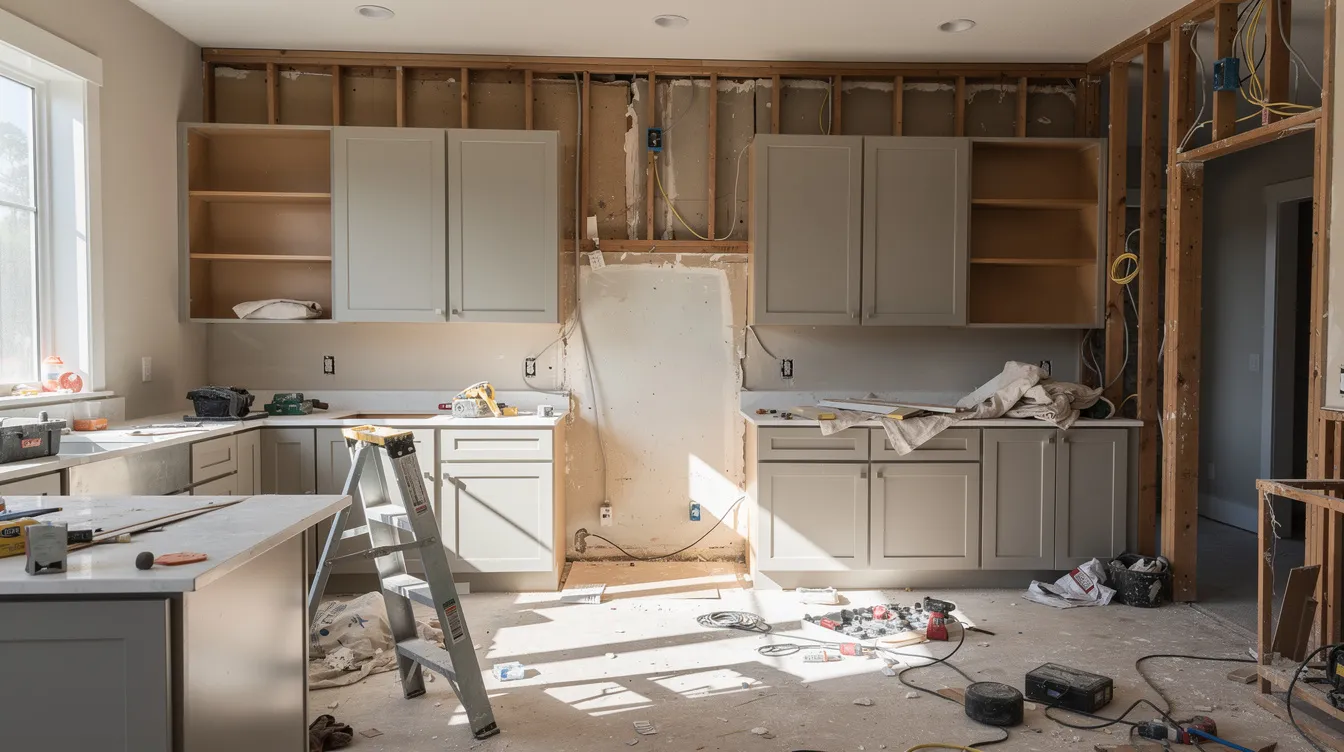
The "third path": buying a fixer-upper and renovating
This is Buildable's specialty alongside custom homes, and it's what our Buildable Homes product delivers.
What this path looks like: You buy an existing home that needs work, whether that's layout changes, major updates, or a full gut. Buildable Homes helps you find promising fixers, including off-market opportunities most buyers never see. Then Buildable handles the renovation with the same accountability we bring to custom builds.
Advantages vs building new
Potentially shorter total timeline than ground-up construction. Our typical fixer-upper renovation runs about six months versus two years for new construction.
You often get better-established locations and larger lots than many new developments offer.
You can add modern design and energy efficient systems into an existing structure.
Advantages vs buying move-in ready
You're not paying a premium for someone else's recent remodel.
You get more say in finishes, layout changes, and systems upgrades.
You're building equity through improvement rather than paying listing price for polish.
Financial structure
Buyers may use renovation loans or finance improvements after purchase.
Buying an existing home often involves lower upfront costs compared to building, as buyers typically only need to cover the down payment and closing costs, while building includes additional expenses like permits and construction fees.
What matters most is having accurate construction costs before you close. That's where Buildable's experience prevents you from buying a money pit.
When a fixer-upper is the smarter move
From our past projects, here's when this path makes sense:
You want a specific school district or neighborhood where vacant land is almost nonexistent. Poway schools in San Diego. Certain pockets of Orange County. Land isn't available. Fixers are.
You can live with construction for about six months and want a customized result without waiting two years.
You're an investor or owner-occupant looking for real upside by improving a tired property instead of paying top dollar for a polished listing.
You want expert help walking properties, estimating renovation construction costs, and avoiding homes that will eat your contingency fund and then some.
Financing options: building vs buying vs renovating
This section gives a plain-language overview, not financial advice. Talk to a lender about your specific financial situation.
Financing for building a house: You'll typically need a construction loan or construction-to-permanent loan. These often require a larger down payment, usually 20 to 25%, and have interest-only payments during the build phase. Once construction finishes, the loan converts to a long-term mortgage. Building a home typically requires multiple loans in some cases, including a land loan if you don't own the lot outright.
Financing for buying an existing home: A conventional mortgage is the most common route. Closing costs for a purchase typically run several percent of the sales price and may be negotiable with the seller in some markets. This is straightforward compared to construction financing.
Financing for fixer-uppers: Renovation-style loans like FHA 203k or Fannie Mae HomeStyle let you bundle purchase price and renovation costs into one mortgage. You can also buy with a traditional mortgage and finance improvements separately through equity or other financing options. The key is factoring both purchase and renovation into your total cost before making decisions.
How Buildable fits in: We don't provide loans. But we help clients understand how construction costs and timelines interact with their financing choices so they can have better conversations with lenders. A real estate agent can help you find listings. We help you understand what it actually costs to make them right.
Cost comparison: construction costs, closing costs, and long-term expenses
There's no one-size-fits-all answer to "which is cheaper?" in Southern California. But understanding the cost buckets helps.
Core Costs for Building
| Cost Category | Building a Home | Buying an Existing Home |
|---|---|---|
| Land | Median price per acre varies widely ($300,000 to $1 million+). | N/A (included in home price). |
| Construction | $400–$500 per sq ft (Buildable custom homes). | N/A (already built). |
| Soft Costs | Permits, design, impact fees ($50,000–$100,000+). | N/A (minimal, usually just inspection fees). |
| Carrying Costs | Rent/mortgage during build ($20,000–$50,000 over 2 years). | N/A (move-in ready). |
Costs When Buying an Existing Home
| Cost Category | Building a Home | Buying an Existing Home |
|---|---|---|
| Purchase Price | N/A | LA County: ~$950,000; Orange County: ~$1.45M; San Diego: ~$1.05M; Riverside: ~$650,000 |
| Closing Costs | Construction loan closing, then mortgage closing. | Title, escrow, lender fees (several percent of sales price). |
| Immediate Repairs | N/A | Budget for repairs/updates after inspection. |
National vs California Context
The average cost to build a new house in 2024 was $665,298, while the average cost to buy an existing home was about $510,900, indicating a potential savings of over $150,000 when buying.
In California, this pattern can invert: median new home price at $591,116 vs $784,798 for existing homes due to supply constraints on new construction.
Ongoing Costs and Energy Efficiency
Building new: Lower monthly utility bills (e.g., $200/month for a 3,000 sq ft energy-efficient home), low maintenance for years due to new systems and warranties.
Buying existing: Higher monthly utility bills ($350–$400/month for a 1970s home), plus $50,000+ in maintenance within five years (roof, HVAC, plumbing).
Lower energy bills and fewer repairs add up. So does starting with a home that doesn't need anything.
How to decide: a simple framework for your situation
Here's how to think through whether to build a custom home, buy an existing home, or buy a fixer-upper and renovate with Buildable Homes.
Clarify your priorities: Rank these four factors in order of importance to you:
Timeline (how fast do you need to move in?)
Location (specific neighborhood, school district, commute?)
Customization level (must-have features vs nice-to-have?)
Total budget (what's your realistic ceiling, including additional costs?)
Match priorities to paths:
Fast move-in and simpler whole process → buying an existing home
Maximum customization and long-term fit → building a new house
Location plus customization within an established neighborhood → buying a fixer and renovating
Consider risk tolerance: Building and renovating both carry construction risk and require strong partners who know what they're doing. Buying move-in ready reduces construction risk but may lock in compromises on layout, energy efficiency, or personal preferences you'll live with for years.
Next steps with Buildable: If you're in San Diego, Orange, Riverside, or Los Angeles County and you're financially ready to explore your options, we'd like to help. Buildable can evaluate land, existing homes, and fixer opportunities so you see your options side by side before deciding.
We show up first, before the expensive decisions get stamped. Whether that means finding you the right lot for a custom build or walking properties to identify the fixer with real upside, we're one partner from start to finish.
There's no universal right answer. But there's a right answer for you. Let's figure out what that is.